

The Algarve region in Portugal has long been a magnet for tourists and investors alike. Its pristine beaches, world-class golf resorts, and vibrant culture make it a top destination. But will the Algarve's real estate market continue to grow? Let's delve into the numbers and trends.

1. Prime Prices and Affordability
The Algarve boasts a diverse range of property prices. For instance, Quinta do Lago, one of the most luxurious resorts, set a new record in 2023 with a property sale surpassing €20 million. This translates to a staggering €17,000 per sq m. On the other hand, for those with a more modest budget, resorts like Quinta Verde and Vilas Alvas offer properties at around €8,000-€9,000 per sq m.
According to Knight Frank's Prime International Residential Index, the Central Algarve witnessed a 16% annual price growth in 2022, making it the second-highest growth rate in Europe.
2. The Golden Visa Impact
Portugal's Golden Visa program, which attracted significant foreign investment, underwent changes in 2022. By February 2023, the Prime Minister, Antonio Costa, announced that no new Golden Visas would be issued, primarily due to housing affordability concerns. This program had generated over €6.8 billion in investments since its inception in 2012. However, its cessation is unlikely to significantly impact the Algarve property market, as it covered only limited parts of the coastline.
3. The Rise of US Buyers
In 2023, a notable trend emerged: the rise of American buyers in the Algarve. This surge can be attributed to the strong US dollar and the allure of the region's 40-plus golf resorts. With Faro Airport providing connectivity to 79 global destinations, accessibility has also played a pivotal role in attracting international buyers, including those from the US.
4. Tax Benefits for Expats
Portugal's Non-Habitual Residents (NHR) tax regime, introduced in 2009, offers significant tax advantages for qualifying foreign residents. This includes a flat 20% income tax rate and exemptions on certain private sector pensions. Nationals from France, Italy, and the UK have been the primary beneficiaries of this regime, as per data from the Portuguese Ministry of Finance.
5. Golf and Cycling: A Boost to Rental Demand
The Algarve's golf courses alone attract over 206,000 visitors annually. Additionally, both road and mountain biking tourism are on the rise. This has not only increased buyer demand but also bolstered the rental market. Golf-related real estate transactions and construction have generated approximately €68 million nationwide.

6. Infrastructure and Development
The Algarve has seen significant infrastructural development over the past decade. The expansion of Faro Airport, improved road networks, and the introduction of high-speed rail connections have made the region more accessible than ever. These developments not only cater to tourists but also enhance the quality of life for residents, making properties more appealing to potential buyers.
7. Sustainable Tourism and Real Estate
Sustainability is at the forefront of Algarve's development strategy. The region has been promoting eco-tourism, with many resorts and properties adopting green practices. This focus on sustainability attracts a niche of environmentally-conscious investors looking for eco-friendly properties, further diversifying the real estate market.
8. The Appeal of Coastal Living
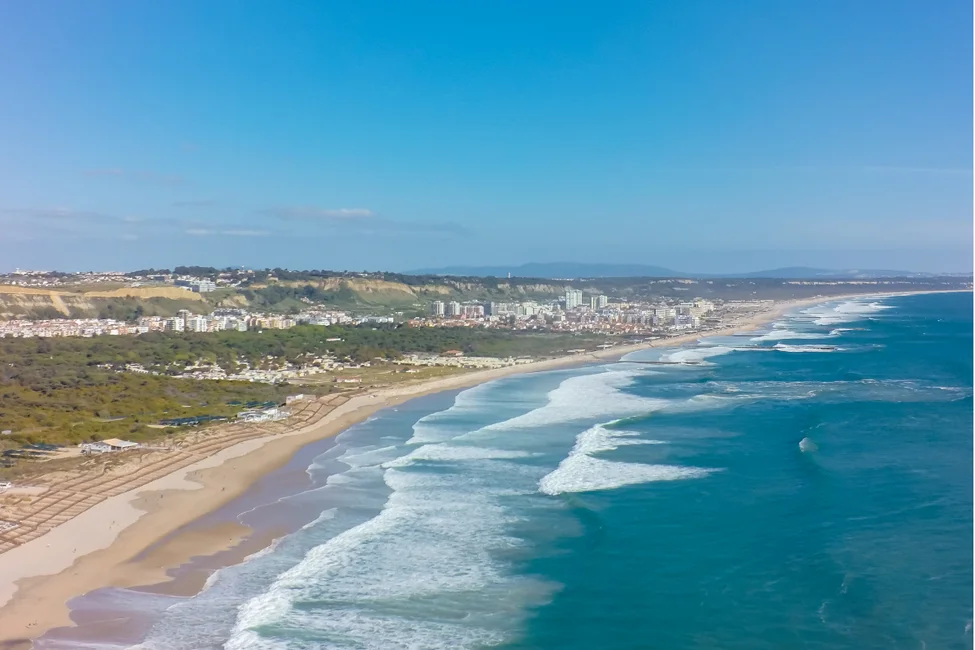
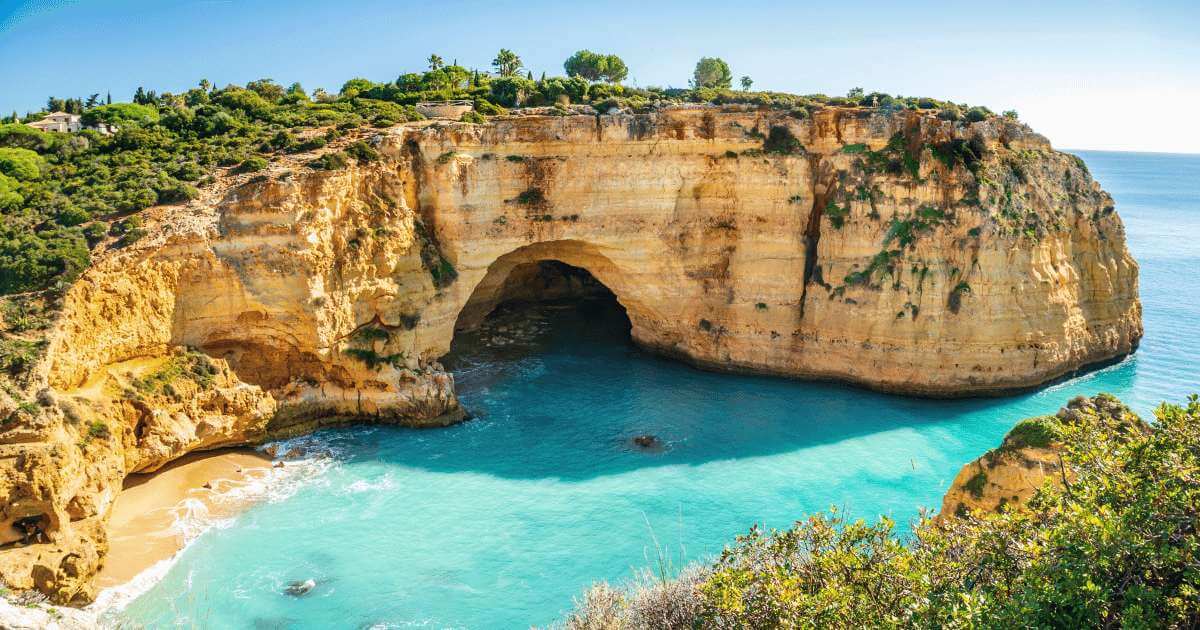
The Algarve's coastline is undoubtedly one of its most significant assets. Properties with sea views or direct beach access command premium prices, reflecting the high demand for such locations.
With over 100 beaches, many of which have earned the Blue Flag status for cleanliness and safety, the allure of coastal living is undeniable.
9. The Resilience of the Algarve Market
Despite global economic downturns and challenges, the Algarve's real estate market has shown remarkable resilience. Its diverse buyer base, ranging from retirees to young professionals and families, ensures a steady demand. Moreover, the region's appeal as a safe and stable European destination further solidifies its position in the global real estate market.
10. Cultural and Historical Significance
The rich history and culture of the Algarve add another layer of attraction for potential investors. Historic towns like Silves, Tavira, and Lagos offer a blend of traditional Portuguese architecture with modern amenities. Investing in such areas provides not just a home but a piece of Portugal's rich heritage.

11. Future Projections and Opportunities
Analysts predict a steady growth trajectory for the Algarve's real estate market. With Portugal's government introducing incentives for foreign investors and the region's continuous development, the future looks promising. For investors, this means an array of opportunities, from luxury villas to commercial properties and development projects.
12. The Role of Technology in Real Estate
The integration of technology in the Algarve's real estate sector has streamlined property buying processes. Virtual tours, online property listings, and digital transaction methods have made it easier for foreign investors, especially those from the US, to explore and invest in properties without frequent travels.
Conclusion
The Algarve, with its unique blend of natural beauty, cultural richness, and modern amenities, continues to shine as a beacon for real estate investors. Its strategic location, coupled with a robust infrastructure and a forward-thinking approach to development, positions it as a top choice for those looking to invest in European real estate. As the region evolves, it remains rooted in its traditions, offering a unique blend of the old and the new, making every investment not just a financial decision but a lifestyle choice.